

Who We Are?
The Land Development and Governance Institute (LDGI) is a leading Kenyan think tank and advocacy organization committed to strengthening land and environmental governance. Established in response to the country’s land and environmental related challenges, LDGI combines policy research, citizen engagement, and institutional capacity building to promote equity, justice, and sustainable development.
Our work is grounded in the belief that secure and inclusive land governance is essential for sustainable development, fostering peace, food security, and climate resilience. We create platforms that bring citizens and policymakers together, ensuring governance systems reflect the realities of local communities, particularly women, youth, and other vulnerable groups.
Mission Statement
To empower society by advocating for participatory development and implementation of people-centered policy and legal frameworks, capacity building of communities and institutions through knowledge generation, dissemination and use of appropriate technology
Vision Statement
To become a center of excellence in promoting the application of appropriate land policies, laws, and management practices by empowering society through innovative and knowledge-based advocacy and capacity building in Kenya and the region.
Core Values
- Integrity: Upholding honesty and strong moral principles in all our activities.
- Trust: Building and maintaining trust with communities, stakeholders, and policymakers.
- Professionalism: Maintaining high standards of professional conduct and expertise.
What We Do?
Guiding Principles
- Creativity: Employing innovative approaches to achieve our vision.
- Innovation: Constantly seeking new and effective methods to promote sustainable land management and equitable access to natural resources.
- We Research
- We build Capacity
- We Train
Key Objectives and Activities of LDGI:
- Participatory Policy Engagement
To promote inclusive land and environmental governance by facilitating multi-stakeholder engagement, ensuring that community voices are represented throughout the policy cycle from formulation to implementation and review. - Sustainable Land Use and Planning
To advocate for land use and planning approaches that guarantee equitable access, enhance food security, and encourage environmentally sound investments aligned with Kenya’s national development goals. - Equitable Land Rights
To advance secure land tenure for women, youth, and other vulnerable groups by addressing systemic barriers to access and ensuring governance systems are fair, inclusive, and just. - Action Research and Innovation
To generate and disseminate evidence-based knowledge, innovative approaches, and practical tools that inform sustainable land and environmental management while enhancing accountability and transparency. - Capacity Building
To strengthen the capacity of communities, civil society, and government institutions to effectively participate in and influence land and environmental governance processes. - Climate Change Resilience
To foster resilience among communities and institutions by promoting climate adaptation and mitigation strategies, innovative technologies, and sustainable practices that safeguard land and natural resources for future generations.
LDGI Contributes to the development of policies and practices that are:
- Equitable
- Sustainable
- Responsive to the needs of the communities
LDGI's Role in Policy Formulation and Implementation:
- Bridging Gaps: LDGI acts as a mediator, ensuring that the voices of the communities are heard in policy discussions. This helps in creating policies that are more inclusive and representative.
- Policy Feedback: Facilitates a feedback loop where policymakers receive input from the ground level, allowing for more practical and effective policy solutions.
- Collaborative Efforts: Works with other organizations, both governmental and non-governmental, to foster a collaborative approach to land governance.
- Advocacy
- Research
- Capacity building
- Stakeholder Engagement
What People Say About Us
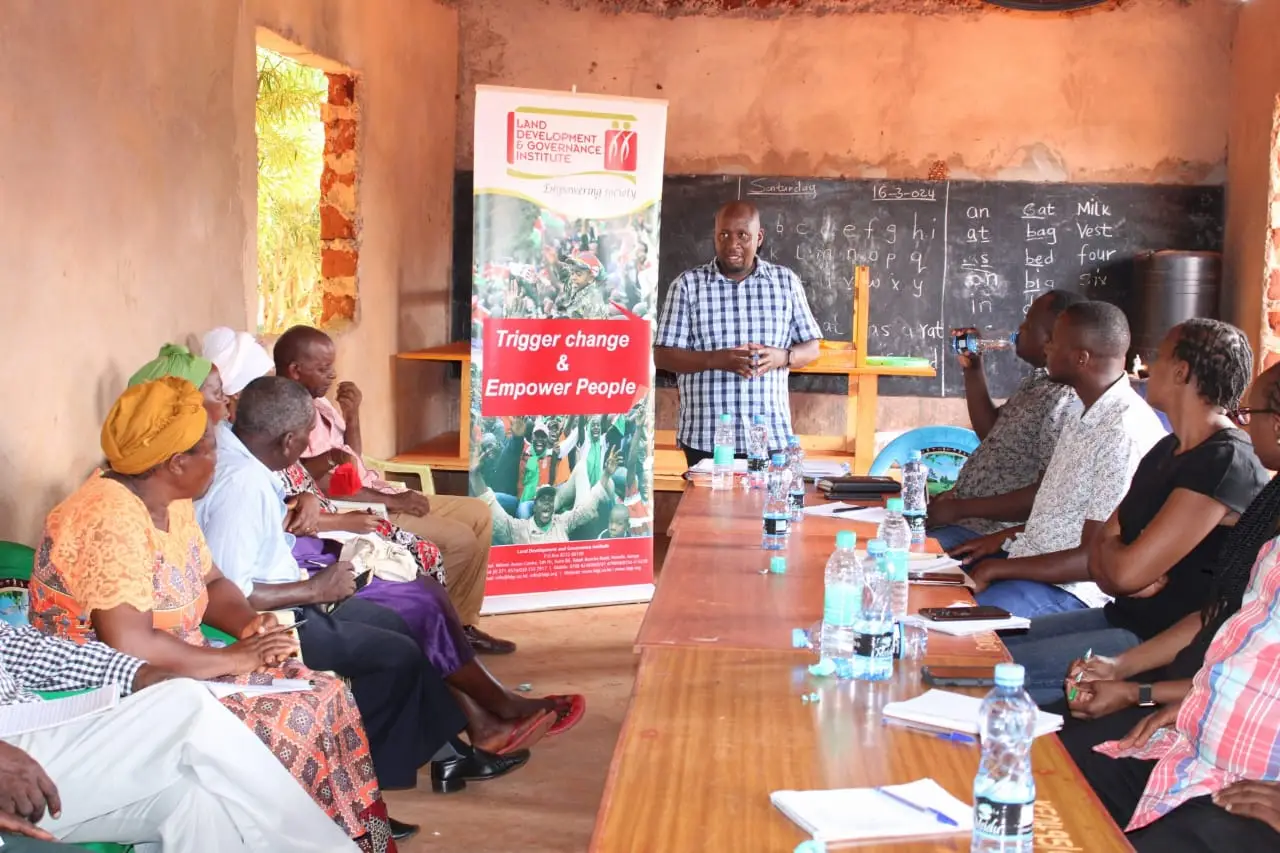
A dedicated member of the Shompole CLMC, echoes the importance of education in community land management, especially in promoting gender inclusivity and addressing water accessibility challenges. She credits LDGI for prioritizing these issues and empowering women in land governance.
Lorna, an active member of the Kajiado Central Land Control Board, reflects on her learning journey with LDGI. She emphasizes the significance of sustainable land use practices amidst increasing demands for land subdivision. Her testimonial underscores the value of collaboration with stakeholders in preserving livelihoods within the Maasai community.
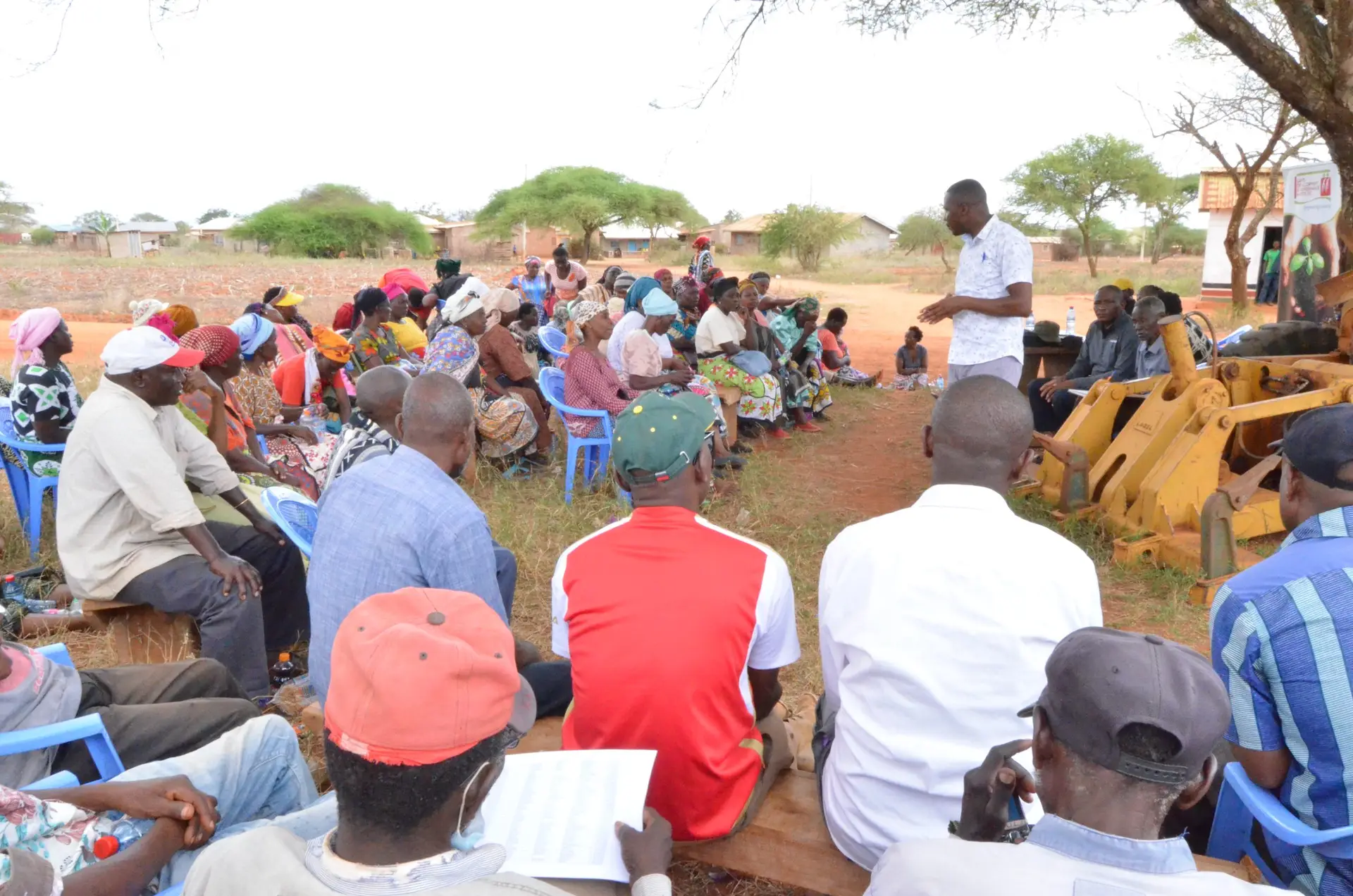
Mary, a member of the Kasigau CLMC, expresses her gratitude for LDGI's training on the registration of community lands. Learning about the importance of formal registration has empowered her and her fellow community members to secure their land rights, paving the way for sustainable development and prosperity in Kasigau.
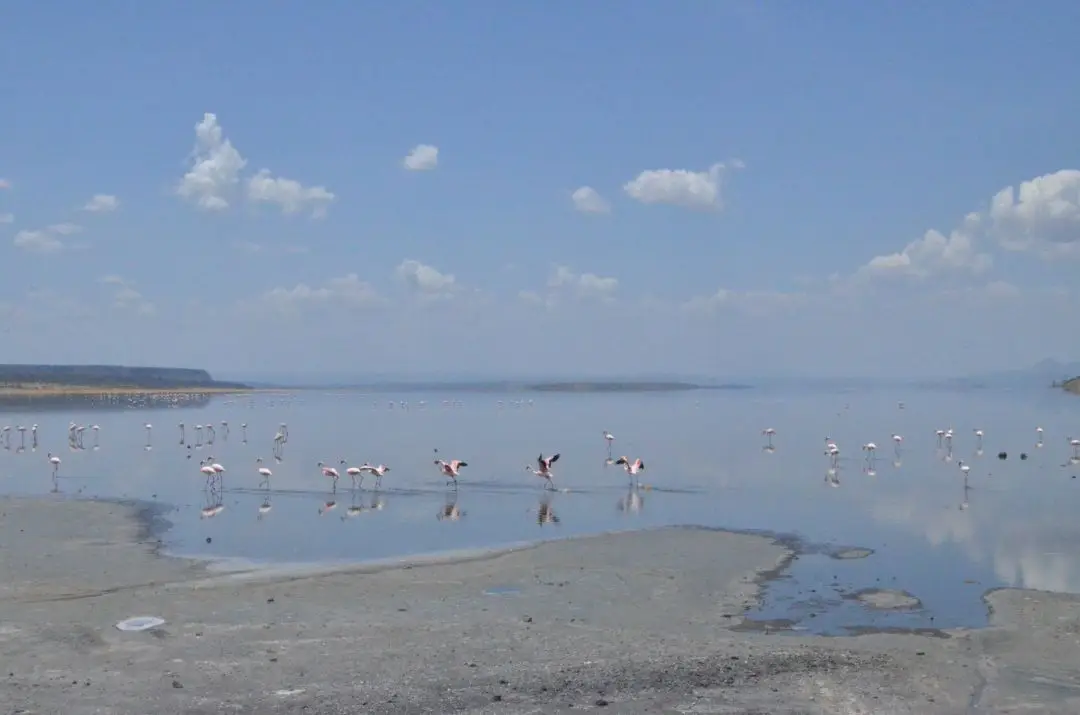
LDGI works to strengthen the link between land tenure and climate resilience by supporting
initiatives that enhance community-based natural resource management.
Copyright © 2025 LDGI – Designed By Ekom Limited
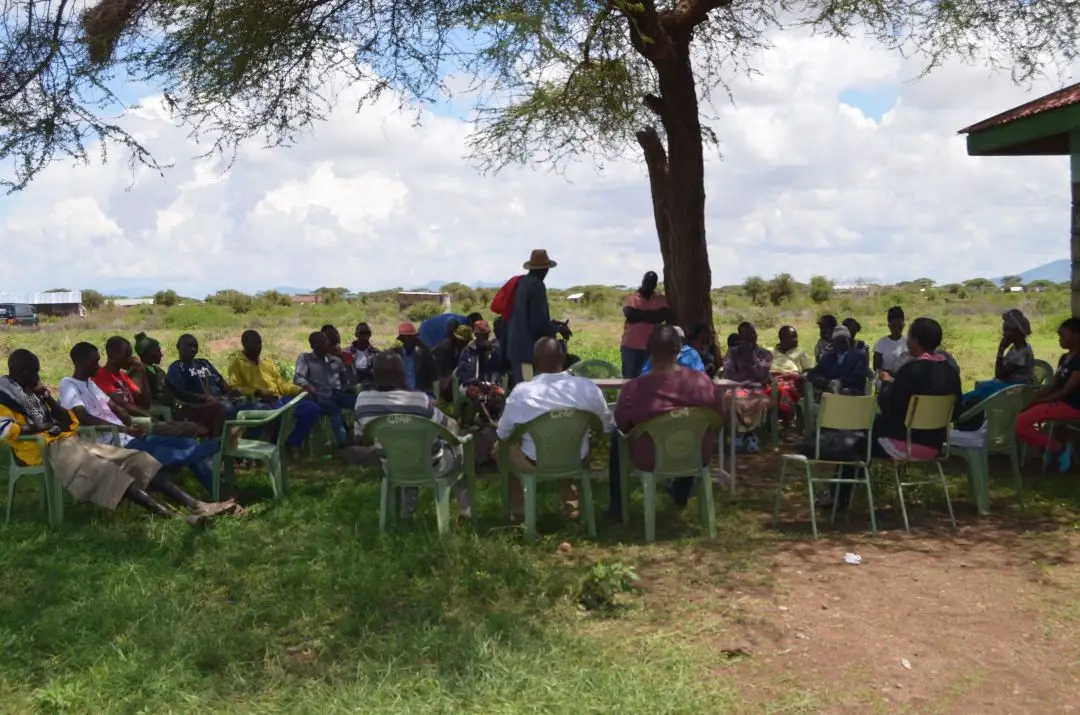
The Chairman of Conservation in the Shompole CLMC, shares his insights from LDGI training. He emphasizes the crucial role of mapping and investment planning in maximizing returns from tourism. He also highlights the pressing need to address the limited capacity of game rangers for effective conservation efforts.